
Pool engineering and permitting involve the design, construction, and regulatory approval process for building a swimming pool or any similar recreational water feature. Proper engineering ensures the safety, functionality, and durability of the pool, while permitting ensures that the pool complies with local building codes, health regulations, and zoning requirements.
Here’s an overview of the key aspects:
- Design and Engineering:
- Site Assessment: A qualified engineer evaluates the property to determine the best location for the pool, considering factors such as soil conditions, drainage, utility lines, accessibility, and proximity to structures.
- Pool Design: The engineer creates detailed plans for the pool, including dimensions, shape, depth, materials, circulation systems, filtration, water treatment, and safety features.
- Structural Engineering: Ensures that the pool’s structure, including the walls, floor, and any additional features (e.g., diving boards, slides), is safe and structurally sound.
- Permitting Process:
- Local Regulations: Research and understand the specific building codes, health department regulations, zoning rules, setback requirements, and other local ordinances that apply to pool construction in your area.
- Permit Applications: Prepare and submit the necessary permit applications to the local building department or relevant authorities. This may include construction permits, zoning variances, and environmental impact assessments.
- Plan Review: The submitted plans and engineering details will be reviewed by the relevant authorities to ensure they comply with regulations. Any necessary revisions or clarifications will be communicated.
- Inspections: The construction process will require inspections at various stages, such as the excavation, electrical work, plumbing, and safety features installation. These inspections ensure that the pool is being built to code and is safe for use.
- Health and Safety Regulations:
- Water Quality: Compliance with health department regulations regarding water quality, disinfection, and filtration systems is essential to ensure a safe swimming environment.
- Safety Features: Installation of safety measures, such as pool fences, gates, anti-entrapment drain covers, and compliant diving areas, to prevent accidents and meet safety standards.
- Environmental Considerations:
- Drainage: Proper drainage systems to prevent flooding or soil erosion in the pool area.
- Sustainable Practices: Implementing energy-efficient equipment, responsible water use practices, and eco-friendly construction materials.
- Construction Oversight:
- Supervision: An engineer or pool construction professional may oversee the construction to ensure that the design is being implemented correctly, and the pool meets safety and engineering standards.
- Final Approval:
- Certificate of Occupancy: Once all inspections are passed, and the pool is deemed safe and compliant, a certificate of occupancy or a similar document is issued, allowing the pool to be used.
Working with qualified pool engineers, designers, and contractors, like Skilo Engineering, is crucial to ensure that your pool is designed, constructed, and permitted properly, meeting safety standards and local regulations.
Check out a few of the pools we have engineered and designed:
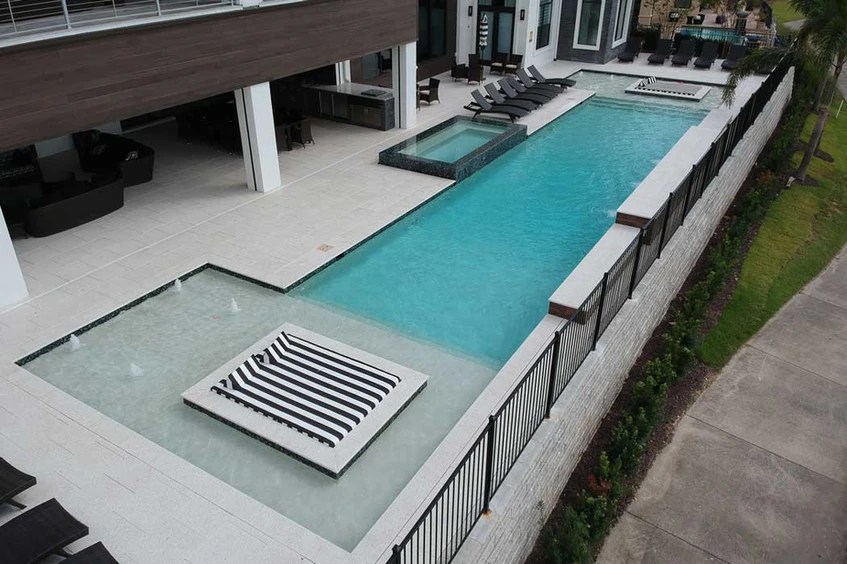
Private Pool Engineering & Design 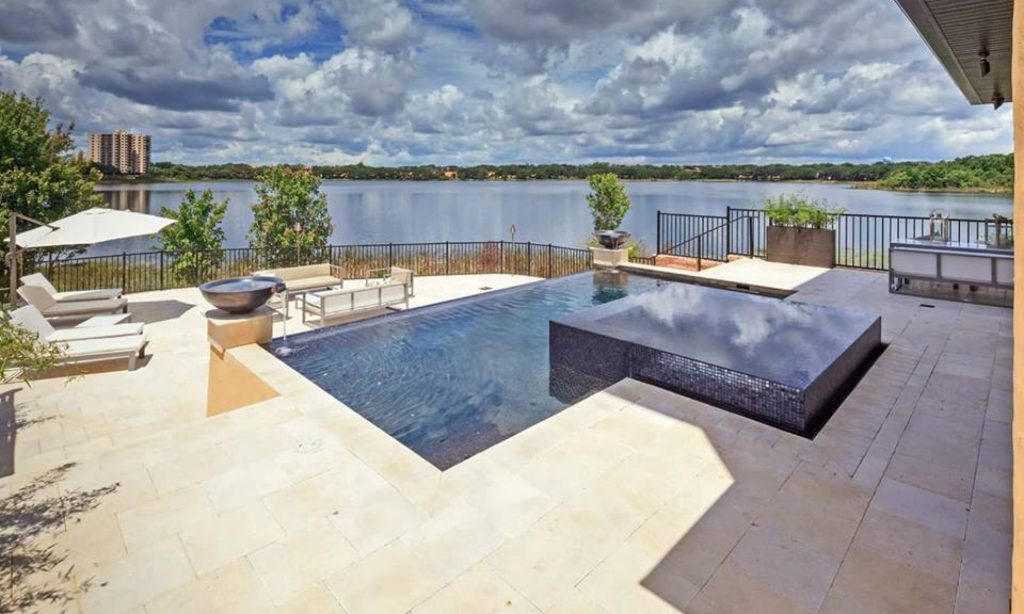
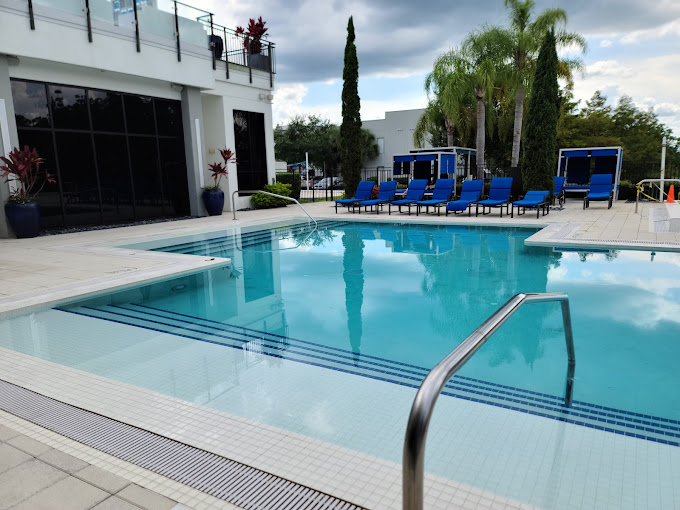
Multifamily Apartment Residential Pool & Spa Engineering & Design https://triconresidential.com/apartment/pure-living/ 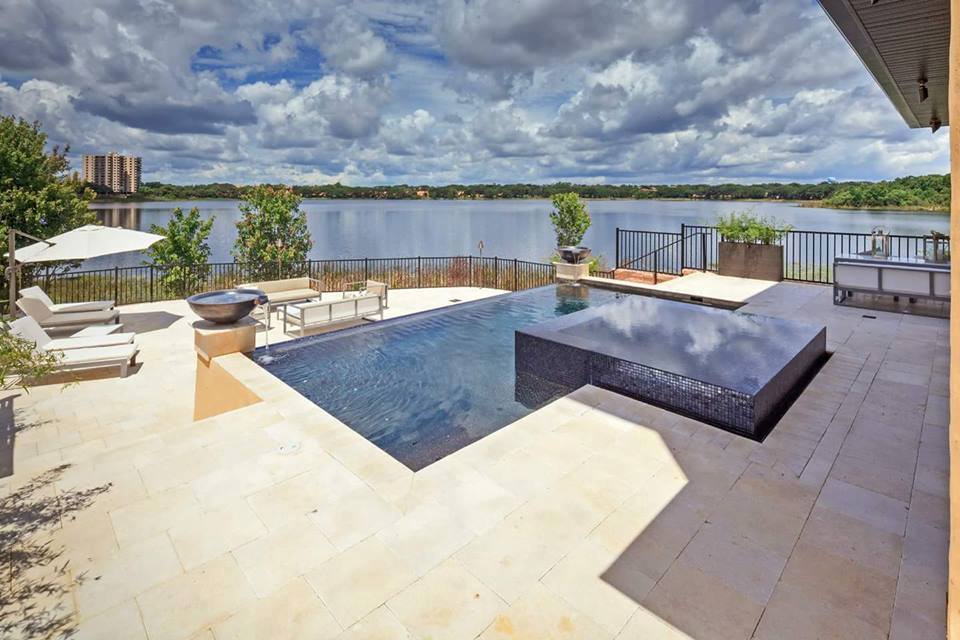
 Skilo Engineering